Our Services
-

Leadership Talent DNA
Discover the leader you are designed to be.
Every leader carries a unique pattern of strengths — powerful, repeatable ways of thinking, feeling, and behaving that shape how they lead.
Leadership Talent DNA helps each member of the Core Leadership Team uncover these natural talents and understand how to use them with clarity, confidence, and maturity.
This is the foundation of the entire Strengths Leadership Journey.
-

Strengths Based Leadership Workshop
Transform how you lead — from managing tasks to unlocking human potential.
Today’s workforce demands leaders who can build trust, develop people, and create meaningful engagement — not through authority, but through authenticity and strengths.
With rising challenges in engagement, burnout, and attrition, leaders must shift from traditional command-and-control to a strengths-based, coaching-led approach.
This workshop gives your Core Leadership Team the key to unlock the talents of their people — leading to peak performance, creativity, and powerful collaboration. -

Strong Teams Workshop
Turn a group of capable leaders into a cohesive, high-trust, high-performance team.
Once each leader understands their individual strengths, the next step is to see how these talents fit together as a team.
In the Strong Teams Workshop, your Core Leadership Team discovers the power of their collective strengths — understanding how to collaborate better, communicate more clearly, solve problems faster, and support one another using complementary talents.
This is where the team stops operating as individuals and starts functioning as a unified leadership engine.
PART 1 — LEADERSHIP TALENT DNA
Discover the leader you are designed to be.
What This Stage Includes
1. Full34 CliftonStrengths Assessment
Each leader completes Gallup’s most comprehensive strengths assessment — revealing their complete talent blueprint.
Leaders then engage in self study of the reports;
Gallup’s Full34 Report (all 34 talent themes ranked)
Gallup Strengths Insights & Action Planning Reports
Cascade Reports derived from their Gallup results, including:
Personal Insights, Bring / Need, Full 34 Sumamry
Access to Talent Theme Videos
Reflection Sheets to Name, Claim and Aim their Dominant Talents
2. 90-Minute Leadership DNA Unpacking Session with a GALLUP Certified Strengths Coach
A deep, one-on-one confidential exploration where each leader connects insights to real leadership behaviour.
In this session, leaders will:
Understand Strengths-Based Development vs. weakness management
Discover the unique power and edge of their dominant talents
Explore their Authentic Leadership Brand across the 4 Leadership Domains
Learn how their natural style influences stakeholder management
Learn the 5 Clues to Talent to recognise and develop strengths in their teams
Identify blind spots created by talent overuse or unmet needs
Learn to regulate, refine, and mature their strongest patterns
Navigate lesser talents with intelligent strategy
Create their personalised Strengths-Based Development Roadmap
Apply strengths to real challenges in performance, collaboration, communication, and future leadership needs
How Leaders Feel After the Unpacking Session
After this 90-minute session, leaders walk away with a deep sense of clarity — understanding what makes them naturally effective, what energises them, and what gets in their way. They leave with language to describe their leadership style, awareness of their blind spots, a sharper understanding of how their talents shape decisions and relationships, and a personalised roadmap to grow their signature strengths with confidence.
Why This Stage Matters
Transformation begins with self-awareness — but Strengths-Based Leadership begins with self-ownership.
This stage becomes the anchor for every workshop, leadership conversation, and team transformation that follows.
PART 2 — STRENGTHS-BASED LEADERSHIP WORKSHOP
Transform how you lead — from managing tasks to unlocking human potential.
What This Stage Includes
1. The Realities of the New Workforce
Leaders explore:
The shift from boss → coach
Why employees today seek purpose, development, and recognition
Why engagement and retention are leadership responsibilities
How younger workforces expect coaching, clarity, and trust
How traditional leadership creates disengagement, fear, and attrition
This sets a powerful context for why strengths-based leadership is essential.
2. Strengths-Based Leadership vs. Traditional Leadership
Leaders understand:
Strengths-Based Leadership focuses on what is strong, not what is wrong
Traditional leadership focuses on fixing weaknesses — leading to burnout
Strengths-based leaders build teams around natural excellence
How this shift increases engagement, psychological safety, and productivity
Why “It’s the Manager” (Gallup) changed everything
This is the leadership mindset of the future.
3. The Four Needs of Followers (Gallup Research)
People follow leaders who meet four deep emotional needs:
Trust
Compassion
Stability
Hope
Leaders learn how their own talents can uniquely meet these needs, creating loyalty and engagement.
4. The 7 Key Expectations of a Great Leader (Competencies 2.0)
Gallup’s extensive research reveals that great leadership is behavioural, not technical.
Leaders explore the seven expectations that matter most:
Build Relationships
Develop People
Lead Change
Inspire Others
Think Critically
Communicate Clearly
Create Accountability
This helps leaders see exactly how their talents align with real behavioural expectations.
5. Unlocking the Talents of Their Team Members
Leaders discover how strengths-based leadership becomes the activation key for their people.
When leaders embody the four needs, meet the seven expectations, and shift into coaching behaviours, they create the conditions for:
Peak performance
High creativity
Strong collaboration
Greater ownership
Deeper trust
This is where team transformation begins.
6. Gallup’s 12 Keys to Building a Great Team (Q12 Framework)
Leaders explore the elements employees need to feel engaged and motivated.
They connect each element to practical leadership actions and strengths-based strategies.
7. What Gallup Research Reveals About High-Performing Teams
Leaders study the five traits common to the world’s best teams, including:
Psychological safety
Shared strengths
Clear expectations
Complementary partnerships
Commitment to excellence
This becomes the blueprint for building strong leadership teams.
8. Psychological Safety & Trust
Leaders learn how strengths create psychological safety — the #1 predictor of team performance.
They explore:
What builds and destroys trust
How talent overuse erodes safety
How strengths create vulnerability, openness, and ownership
How to create team conditions where people speak up
This becomes a core leadership competency.
9. From Boss to Coach — The New Leadership Imperative
Leaders explore how the best leaders today are coaches, not managers.
They learn how to:
Conduct strengths-based coaching conversations
Ask better questions
Give feedback that develops people
Align roles to natural talents
Hold weekly check-ins that create clarity and momentum
Increase ownership without micromanaging
This is the backbone of modern leadership.
10. Mining for Gold — The Wonderment Interview
A signature practice where leaders learn to see excellence in their people.
They learn how to:
Spot clues of talent in everyday behaviour
Ask “wonderment” questions
Discover hidden strengths
Amplify what people naturally do best
This becomes a powerful tool for talent development.
11. Strengths-Based Coaching Conversations
Leaders learn practical frameworks they can use immediately:
Talent-based performance conversations
Using domains to guide coaching
Addressing conflict through needs-based conversations
Motivating team members based on their dominant talents
Turning disengagement into clarity and action
This builds a sustainable leadership rhythm.
How Leaders Feel After This Workshop
Leaders leave with a clearer understanding of what their people truly need — and how their own talents can meet those needs naturally.
They feel more confident, more connected to their teams, and more equipped to lead with trust, clarity, and intentionality.
Most importantly, they recognise that this approach gives them the key to unlock the talents of their team members — leading to peak performance, greater creativity, and stronger collaboration.
They experience the shift from managing people to developing people, and it changes how they show up every single day.
PART 3 — STRONG TEAMS WORKSHOP
Turn a group of capable leaders into a cohesive, high-trust, high-performance team.
What This Stage Includes
1.The Strengths Team Grid
Using Gallup’s Team Grid, the group visualises how everyone’s talents align across the Executing, Influencing, Relationship Building, and Strategic Thinking domains.
This helps the team see:
Patterns of collaboration
Potential blind spots
Natural sources of strength
Where responsibilities and roles align naturally
How to distribute work intelligently
The Team Grid becomes a foundational leadership tool.
2.Complementary Partnerships
Leaders learn how to intentionally pair strengths to create partnership excellence.
They explore:
How to identify complementary talent pairs
How to balance overused talents
How to pair thinkers with doers, influencers with relationship builders
How to team up for decision-making, communication, and execution
This reduces friction and massively improves teamwork.
3.Power of 2
A powerful exercise where leaders explore how two talents — when paired — create extraordinary results.
This includes:
Power of 2 within individuals (theme dynamics)
Power of 2 across people (pairing leaders for impact)
How two different strengths create synergy in tasks, projects, and decisions
This changes the way leaders collaborate forever.
4.Strengths-Based Delegation & Collaboration
The team learns how to:
Delegate based on natural strengths
Balance execution and ideation
Pair talents for problem-solving
Reduce friction by understanding “talent needs”
Use strengths to navigate conflict
This leads to smoother operations and stronger relationships.
5.Team Blind Spots & Risk Zones
The leadership team explores:
Collective blind spots
Overused talent patterns
Natural gaps across the 4 domains
How to manage potential risks using complementary strengths
This builds team maturity and resilience.
6.Applying Strengths to Real Strategic & Operational Challenges
The team works on real business priorities using their strengths, such as:
Customer issues
Growth challenges
Execution excellence
Decision-making
Transformational initiatives
Cross-functional collaboration
This makes the session practical and immediately valuable.
7. Building Psychological Safety as a Leadership Team
Teams learn how to create:
High trust
Open communication
Honest conversations
Shared ownership
A culture where people speak courageously and respectfully
This is essential for high-performance teams.
How Leaders Feel After This Workshop
Leaders leave with a deeper appreciation of each other’s strengths and a richer understanding of how to work together as one leadership unit.
They feel more connected, more aligned, and more confident in the team’s combined potential.
They realise that the collective talent of the team is far greater than the sum of its parts, and they now know how to use that power intentionally — through complementary partnerships, shared strengths, and the Power of 2.

The Promise of the Journey
The Strengths Leadership Journey helps leaders rediscover who they are at their best. It allows them to reclaim the confidence and clarity that come from leading through their natural talents. It reignites the energy, connection, and purpose that often get lost in the pressure of day-to-day leadership. This journey helps leaders feel alive again — more grounded, more authentic, and more effective. And their teams experience greater trust, stronger collaboration, and higher performance as a result.
Leaders who Feel Alive Again
-
![]()
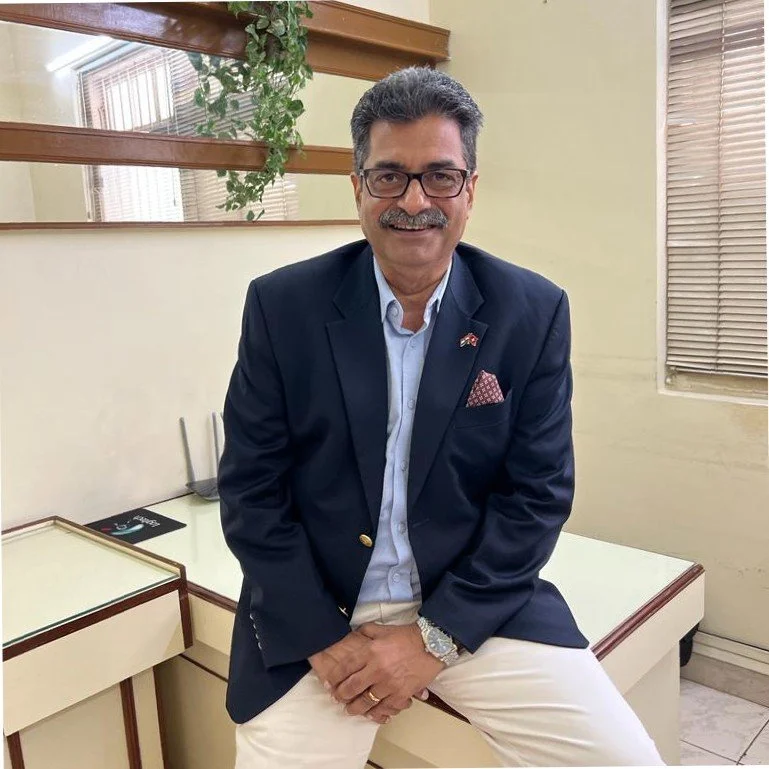
Ashwani Keshwani, Managing Director- Asia Pacific, Oetiker Group
My association with Nitul goes back a Long way. We first met in 2003 where he helped us set up a service brand called Smart Care at Godrej Appliances. I’ve engaged his “strategic sales training” capabilities many a time thereafter.
But the real partnership with him as a contributor to our organisation started with the strength finder coaching. The entire team of Oetiker India went through their strengths discovery with him making us realise the real talent within.
Nitul’s style of coaching and communication got him another global assignment with Oetiker to roll out our own program of solution selling. He was tasked to develop a whole new concept of selling relatively unknown to us. Training 140 sales people in three continents over three months was quite an achievement. He taught a new vocabulary in the sales teams.
He comes up with brilliant ideas and I have capitalised on many such new and innovative ones often. The latest one being “visual thinking”! Nitul has been a partner in our organisation development initiatives and I look forward to this continued association with him.
-
![]()
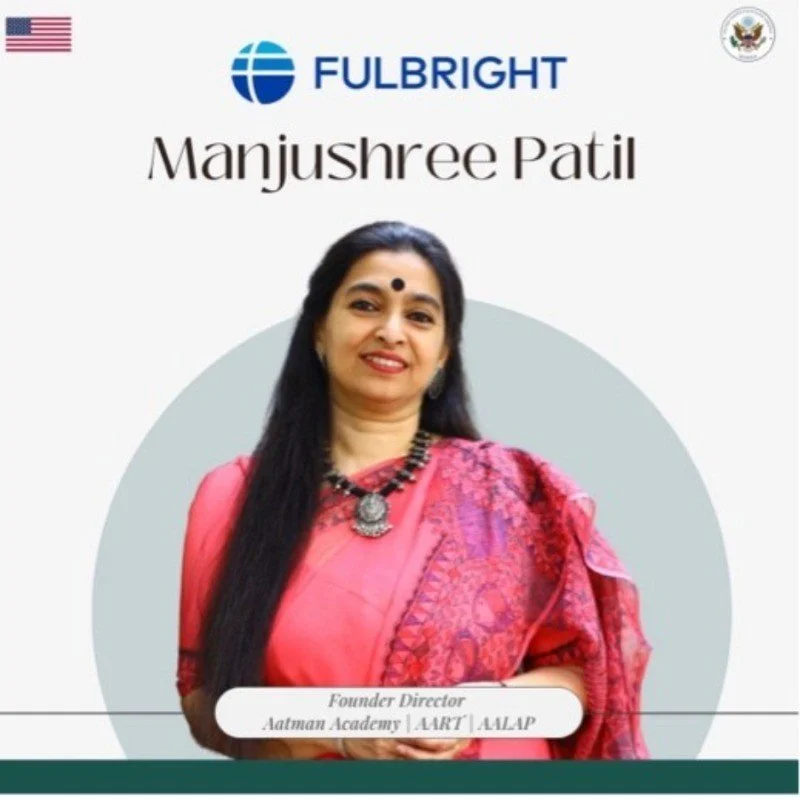
Manjushree Patil, Founder & Director Aatman Academy
Nitul Ojha is synonymous for the Gallup Strengths Finder Programme at Aatman Academy. This concept is the best thing that could have happened to all of us as a team! It has been a transformational journey, to say the least.
The workshops , coaching sessions and deep-diving have helped us discover our own “talents” and see them in context to the larger scheme of things in our organization.
Nitul’s benign style and depth of understanding has helped all of us speak our minds during his workshops.
Nitul is an excellent “listener”! He listens with attention and intention and responds with deep insights. He also has a special knack of getting participants to arrive at their own answers through their own thinking.
Nitul has also been a Guest Speaker at the CHILD Course on Inclusive Education, conducted by Aatman Academy in association with The ICI -Univ. of Minnesota with support from the TATA TRUSTS.
I have been strongly recommending the programmes conducted by Nitul specially to educational institutions because they are undeniably, one of the most transformational experience.